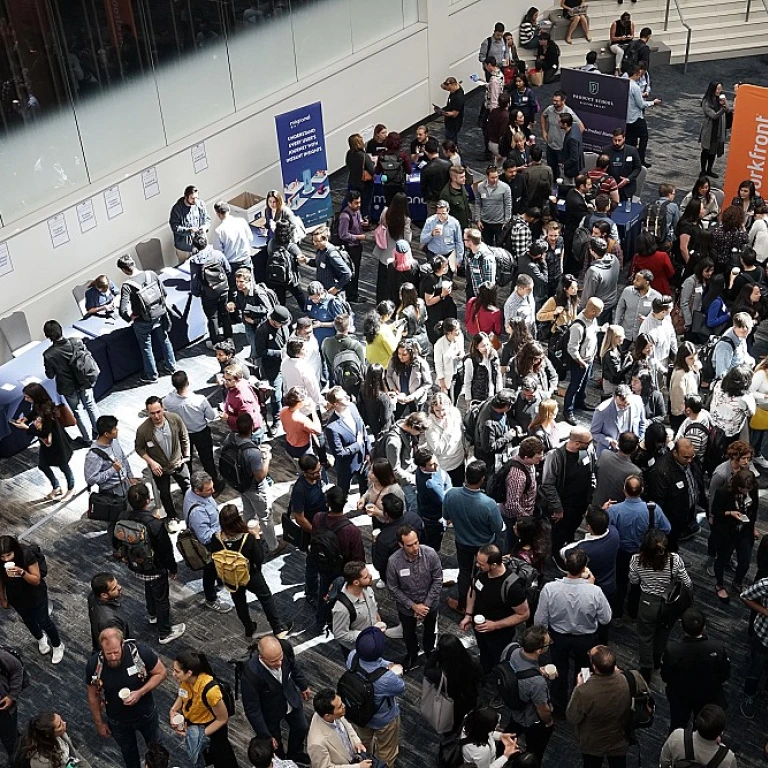
Changing expectations of the workforce
Shifting Workforce Demands and Expectations
The future of human resources transformation is deeply influenced by the evolving expectations of today’s workforce. Employees are no longer satisfied with traditional management approaches. They seek meaningful work, flexibility, and a strong sense of purpose within their organizations. This shift is driving businesses to rethink their operating model and talent management strategies to better align with employee experience and engagement.
Organizations are recognizing that a skills-based approach is essential for attracting and retaining top talent. The focus is moving from job titles to the actual skills employees bring to the table. This transformation strategy not only supports long-term business goals but also helps create a more agile and resilient workforce. As the nature of work changes, so do the skills required, making continuous learning and development a priority for both employees and employers.
- Flexibility and Remote Work: Employees expect greater flexibility in where and how they work. This trend is pushing organizations to adopt digital transformation and leverage technology for better service delivery.
- Purpose and Values: Workers want to feel connected to the mission and values of their organization. This connection boosts employee engagement and helps drive performance management outcomes.
- Personalized Employee Experience: Tailoring HR strategies to individual needs is becoming a key differentiator in talent management and employee retention.
To stay competitive, organizations must develop strategic approaches that put human capital at the center of their transformation. This means using data analytics and data-driven decision making to understand workforce trends and inform HR strategy. By prioritizing employee well-being, organizations can foster a culture of trust and support, which is essential for navigating ongoing change management challenges.
For more insights on how HR is evolving beyond traditional functions, explore this in-depth look at the future of HR beyond payroll.
The role of technology in HR transformation
How Digital Tools Are Reshaping HR Functions
Technology is at the heart of human resources transformation. As organizations adapt to the future of work, digital tools are redefining how HR teams operate, interact with employees, and align with business goals. The shift to a more digital operating model is not just about automating processes. It is about leveraging technology to create a more strategic, data-driven, and employee-centric approach to talent management.
Enhancing Employee Experience Through Automation
Modern HR technology platforms help streamline service delivery, making it easier for employees to access information, manage benefits, and engage with HR teams. Automation reduces manual tasks, freeing up HR professionals to focus on strategic initiatives that drive business transformation. This shift supports a better employee experience, which is crucial for attracting and retaining top talent in a competitive market.
Data Analytics for Informed Decision Making
Data analytics is transforming how organizations approach talent management and performance management. By collecting and analyzing workforce data, HR leaders can make more informed decisions about skills development, employee engagement, and resource allocation. This data-driven approach enables organizations to align their human capital strategies with long-term business objectives and adapt quickly to changing workforce needs.
- Improved talent acquisition and onboarding through AI-powered tools
- Personalized learning and development pathways based on employee data
- Real-time feedback and performance tracking for continuous improvement
Supporting Continuous Learning and Skills Development
Technology also plays a key role in building a culture of continuous learning. Digital platforms make it easier for employees to access training resources, develop new skills, and track their progress. This supports a skills-based approach to workforce planning and helps organizations stay agile in the face of rapid change.
Strategic Value of HR Technology
Ultimately, leveraging technology in HR is about more than efficiency. It is a transformation strategy that helps organizations become more resilient, adaptable, and aligned with the needs of both employees and the business. As digital transformation continues to evolve, HR teams will need to stay informed about emerging tools and best practices to ensure their strategies remain effective and future-ready. For more insights on the evolving role of HR, visit the future of human resources.
Building a culture of continuous learning
Embedding Learning into the Employee Experience
Continuous learning is no longer a nice-to-have in human resources transformation; it is a strategic necessity for organizations aiming to stay competitive. As the business landscape evolves and technology reshapes the way we work, the demand for new skills and agile talent management grows. Employees expect opportunities to develop, and organizations must respond by integrating learning into the daily employee experience.
Modern HR strategies focus on creating a culture where learning is accessible, relevant, and aligned with business goals. This means moving beyond traditional training sessions to offer digital learning platforms, microlearning modules, and on-the-job development. By leveraging technology, organizations can deliver personalized learning paths that support both immediate performance management needs and long-term human capital growth.
- Skills-based development: Focusing on the specific skills employees need for current and future work helps organizations remain agile and responsive to change.
- Data-driven learning strategies: Using data analytics, HR can identify skill gaps, track progress, and measure the impact of learning initiatives on employee engagement and business outcomes.
- Integration with talent management: Continuous learning supports talent management by preparing employees for new roles, supporting succession planning, and enhancing overall workforce capability.
Building a culture of continuous learning also means supporting managers in their role as coaches and mentors. Management must be equipped to help employees navigate their development journeys, aligning individual aspirations with organizational strategy. This approach not only improves employee engagement but also strengthens the organization’s ability to adapt its operating model in the face of ongoing digital transformation.
Organizations that prioritize continuous learning are better positioned to achieve their transformation strategy and deliver effective service delivery. For more on how HR can address complex challenges and regulatory requirements while fostering a learning culture, explore this guide to navigating the complexities of construction regulations.
Data-driven decision making in HR
Harnessing Data for Strategic HR Decisions
Data-driven decision making is reshaping how organizations approach human resources transformation. In today’s business landscape, HR leaders are expected to align their strategies with business goals, leveraging technology and data analytics to inform every aspect of talent management and employee experience. This shift is not just about adopting new tools; it’s about building a culture where data is central to performance management, workforce planning, and employee engagement.
- Informed talent management: By analyzing workforce data, organizations can identify skills gaps, predict future work trends, and develop targeted strategies for talent acquisition and retention. This supports a skills-based approach to human capital management, ensuring the right people are in the right roles.
- Enhancing employee experience: Data analytics help HR teams understand what drives employee engagement and well-being. Insights from surveys, feedback platforms, and performance metrics allow for more personalized and effective service delivery, directly impacting employee satisfaction and productivity.
- Optimizing the operating model: Data-driven insights enable HR to refine processes, streamline service delivery, and support continuous learning initiatives. This agility is essential for organizations navigating digital transformation and change management.
However, the move toward data-driven HR is not without challenges. Ensuring data quality, maintaining privacy, and fostering trust among employees are critical for long-term success. Organizations must invest in upskilling HR professionals, integrating advanced analytics tools, and developing clear transformation strategies that put people at the center.
Ultimately, leveraging data in HR is about more than technology. It’s about empowering human resources to make strategic decisions that drive business outcomes, support employee growth, and build a resilient workforce for the future.
Prioritizing employee well-being and mental health
Elevating Employee Well-being as a Strategic Priority
Organizations are recognizing that employee well-being and mental health are not just HR buzzwords, but essential pillars for a successful transformation strategy. As the workforce evolves and business goals shift, the focus on holistic employee experience becomes a key driver for talent management and long-term performance management. A strategic approach to well-being goes beyond offering traditional benefits. It requires integrating well-being into the operating model, aligning it with talent management, and leveraging technology to provide accessible support. Digital transformation has enabled organizations to offer flexible work arrangements, mental health resources, and data-driven insights into employee engagement. These tools help HR teams identify stress points and proactively support their people.- Data analytics can reveal trends in absenteeism, productivity, and engagement, helping management make informed decisions about well-being initiatives.
- Continuous learning opportunities contribute to a sense of purpose and growth, which are vital for mental health and employee engagement.
- Service delivery models that prioritize well-being demonstrate a commitment to human capital and foster trust within the workforce.
Navigating change management in HR transformation
Guiding Organizations Through Uncertainty
Change management is a critical part of any HR transformation strategy. As organizations evolve their operating models and adopt new technologies, the way employees work and interact with human resources shifts significantly. Managing these transitions effectively will help align business goals with employee experience, ensuring that transformation is both sustainable and human-centric. A successful approach to change management in HR transformation involves more than just rolling out new systems. It requires a strategic focus on communication, engagement, and support for employees at every stage. Here are some practical strategies:- Transparent Communication: Keep employees informed about the transformation journey. Clear messaging about why changes are happening and how they will impact the workforce helps reduce uncertainty and resistance.
- Involve Employees Early: Engaging employees in the process, from gathering feedback to piloting new tools, fosters a sense of ownership and increases the likelihood of adoption.
- Continuous Learning and Upskilling: As new technologies and data analytics become central to HR, providing ongoing training ensures that employees have the skills needed for the future of work.
- Leverage Data-Driven Insights: Use data analytics to monitor employee engagement and performance management during the transition. This helps identify challenges early and tailor support where it is needed most.
- Prioritize Well-Being: Change can be stressful. Supporting mental health and well-being throughout the transformation process is essential for maintaining morale and long-term talent retention.
