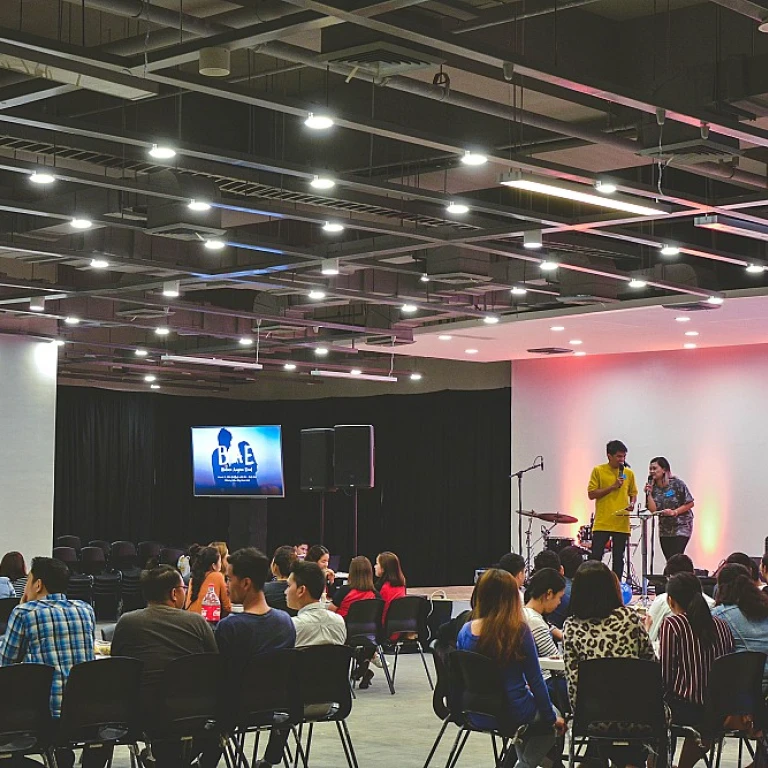
Understanding the importance of development goals in HR transformation
Why Development Goals Matter in HR
Development goals are more than just a checklist for HR professionals. They are the foundation for building a culture of continuous improvement, both for individuals and teams. In the context of human resources transformation, setting clear and actionable goals helps align employee growth with the organization’s evolving needs. This approach not only supports professional development but also drives better performance and engagement across the company.
When HR teams focus on development, they help employees enhance essential skills such as leadership, communication, and project management. These skills are crucial for adapting to new challenges and ensuring that the workforce remains agile. Whether it’s improving time management, decision making, or public speaking, every development goal contributes to the overall success of the organization.
The Link Between Goal Setting and Organizational Success
Effective goal setting in HR is closely tied to organizational strategy. By identifying and prioritizing both short term and long term goals, HR professionals can support career development and employee growth in a way that benefits everyone. For example, setting performance goals or leadership development objectives can help team members prepare for future roles and responsibilities.
- Encourages continuous learning and training
- Improves employee engagement and retention
- Supports management in identifying skills gaps
- Aligns personal development with business objectives
For those looking to craft effective goals for performance reviews, it’s important to consider both individual and team needs. You can find practical guidance and examples in this resource on crafting effective goals for performance reviews.
As we explore further, you’ll see how aligning development goals with organizational strategy and providing real-world examples can help HR professionals and teams achieve meaningful growth. Setting the right goals is the first step toward building a resilient and high-performing HR function.
Aligning development goals with organizational strategy
Bridging HR Development Goals with Business Priorities
For human resources transformation to truly make an impact, development goals must be closely tied to the organization’s broader strategy. When HR professionals and teams align their personal development and career goals with the company’s mission, it helps everyone move in the same direction. This alignment fosters a culture where employee development supports business growth, and where leadership development becomes a lever for long term success.
Here are some practical ways to ensure HR development goals support organizational strategy:
- Understand the business strategy: HR teams should regularly review the company’s objectives and identify which skills and competencies are most needed to achieve them. For example, if the business is focusing on digital transformation, HR might prioritize training in project management or data-driven decision making.
- Set relevant goals: Development goals should reflect both short term and long term business needs. This could include improving communication skills for better cross-functional collaboration, or enhancing time management to support faster project delivery.
- Collaborate with management: Regular discussions with leadership help ensure that HR’s professional development efforts are in sync with evolving business priorities. This collaboration also helps identify leadership development opportunities for team members.
- Use examples to guide goal setting: Reviewing successful goals examples from other HR departments can inspire new approaches to employee development and performance goals.
When HR professionals set their own career development and personal development goals with the organization’s strategy in mind, they help drive both individual and team growth. This approach also supports better performance management and helps employees see how their work contributes to the bigger picture.
For more insights on how strategic transformation can boost HR efficiency, you can read this article on boosting HR efficiency through strategic transformation.
Examples of individual development goals for HR professionals
Practical Examples of Individual Development Goals
Setting clear and actionable development goals is essential for HR professionals who want to drive their own growth and contribute to the organization’s transformation. Individual goals should be tailored to each person’s role, career aspirations, and the evolving needs of the business. Here are some practical examples that illustrate how development goals can help HR professionals improve their skills and performance:
- Enhancing communication skills: Participating in workshops or training sessions to improve public speaking, active listening, and written communication. This can help HR professionals better connect with employees and management, making their work more impactful.
- Developing leadership capabilities: Setting a goal to lead a cross-functional project or mentor team members. Leadership development is crucial for those aiming for management roles or seeking to inspire others within the HR team.
- Improving time management: Using tools and techniques to prioritize tasks, set deadlines, and reduce distractions. Effective time management supports both short term and long term career goals by increasing productivity and reducing stress.
- Expanding knowledge in project management: Enrolling in courses or obtaining certifications related to project management. This helps HR professionals handle complex projects and align their work with organizational strategy.
- Strengthening decision making skills: Seeking feedback after key decisions, analyzing outcomes, and learning from both successes and setbacks. This ongoing process supports better performance and more confident goal setting.
- Focusing on career development: Setting a personal development goal to gain expertise in a specific HR domain, such as talent acquisition or employee development. This can open new career opportunities and increase professional value.
For those looking to understand how change acceleration processes can support these goals, explore this guide on change acceleration in HR transformation. It offers insights into how structured approaches can help individuals and teams achieve their development objectives more effectively.
By setting specific, measurable, and relevant development goals, HR professionals can drive their own growth, support their team, and contribute to the organization’s long term success. These examples are just a starting point—each professional should adapt their goals to their unique context and ambitions.
Team-based development goal examples for HR departments
Collaborative Goals That Drive HR Team Success
When HR departments set development goals as a team, the impact can be significant. Team-based goals encourage collaboration, shared learning, and collective accountability. These goals help HR professionals align their efforts, improve performance, and support the organization’s broader strategy. Here are some practical examples of team-based development goals that can inspire growth and foster a culture of continuous improvement:
- Enhancing Communication Skills Across the Team
Organize regular workshops or peer-led sessions to improve communication skills. This can include training on active listening, conflict resolution, and public speaking. Improved communication helps team members work better together and serve employees more effectively. - Implementing Leadership Development Initiatives
Develop a structured leadership development program for the HR team. This can involve rotating leadership roles in projects, mentoring, and attending external seminars. The goal is to build leadership skills and prepare team members for future management positions. - Improving Project Management Capabilities
Set a goal to complete a project management certification as a team or to lead a cross-functional project. This helps the team develop essential project management skills, such as time management, decision making, and goal setting, which are crucial for successful HR transformation initiatives. - Boosting Employee Development Support
Work together to design and launch a new employee development program. This could focus on career development, personal development, or performance goals. The team can measure success by tracking participation rates and employee feedback. - Strengthening Data-Driven Decision Making
Set a goal to improve the team’s ability to use HR analytics in decision making. This might include training on HR software, regular review of key metrics, and sharing insights with management to support long term strategic planning.
These examples show how team-based development goals can help HR departments not only improve their own skills but also positively influence the entire organization. By setting clear, measurable goals and working together, HR teams can drive professional growth, enhance performance, and support employees at every stage of their career.
Measuring progress and adjusting development goals
Tracking Progress and Making Adjustments
Measuring progress on development goals is essential for HR professionals and teams aiming for real growth. Without clear tracking, it’s easy for goals to lose relevance or momentum. Regular check-ins help ensure that both individual and team-based goals remain aligned with the organization’s strategy and evolving needs. One effective way to track progress is to set specific, measurable indicators for each development goal. For example, if the goal is to improve communication skills, you might track the number of successful presentations or feedback from team members. For leadership development, consider monitoring participation in training sessions or leadership roles in projects.- Use performance reviews to discuss progress on professional development and career goals.
- Leverage feedback from peers and management to identify areas for improvement.
- Set short term milestones to make long term goals more manageable and visible.
- Document achievements and challenges to inform future goal setting and adjustments.
| Development Goal | Measurement Example | Adjustment Trigger |
|---|---|---|
| Improve team communication | Employee feedback surveys | Low engagement scores |
| Enhance leadership skills | Completion of leadership training | Promotion or new leadership role |
| Advance project management abilities | Successful project delivery | Missed deadlines or scope changes |
Overcoming common obstacles in setting and achieving development goals
Common Barriers and How to Tackle Them
Setting and achieving development goals in human resources is rarely a straightforward process. Even with clear alignment to organizational strategy and well-crafted individual or team goals, HR professionals and employees often encounter obstacles that can slow or derail progress. Understanding these challenges and proactively addressing them is essential for sustainable professional growth and effective goal setting.
- Lack of Clarity: Sometimes, goals are too vague or broad, making it hard for team members to know what success looks like. To improve, ensure every development goal is specific, measurable, and time-bound. For example, rather than "improve communication skills," set a goal like "complete a public speaking training and deliver two presentations this quarter."
- Insufficient Resources: Employees may struggle to meet their goals without access to proper training, mentorship, or tools. Management should regularly assess resource needs and provide support, whether it’s leadership development programs, project management workshops, or time management tools.
- Poor Alignment with Career Aspirations: When development goals don’t connect to personal development or long-term career goals, motivation drops. Encourage employees to participate in goal setting and link objectives to their desired career path, such as preparing for a leadership role or enhancing decision making skills.
- Overwhelming Workloads: Balancing daily responsibilities with professional development can be challenging. Managers can help by integrating development activities into regular work, setting realistic short term and long term goals, and recognizing progress.
- Lack of Feedback and Measurement: Without regular check-ins and performance reviews, it’s difficult to track progress or adjust goals. Establish a routine for feedback and use clear metrics to measure growth, whether it’s improved team collaboration, enhanced employee development, or better project management outcomes.
Strategies to Foster Growth and Overcome Challenges
To help employees and HR teams succeed, organizations should foster a culture of continuous learning and transparent communication. Here are some practical ways to support goal achievement:
- Encourage open dialogue between management and team members about obstacles and support needs.
- Offer flexible training options to accommodate different learning styles and schedules.
- Celebrate small wins to maintain motivation and reinforce the value of professional development.
- Regularly revisit and adjust goals to reflect changing priorities or business needs.
By addressing these common barriers and implementing supportive strategies, HR professionals can drive meaningful growth, improve performance, and ensure that development goals work for both employees and the organization in the long term.
