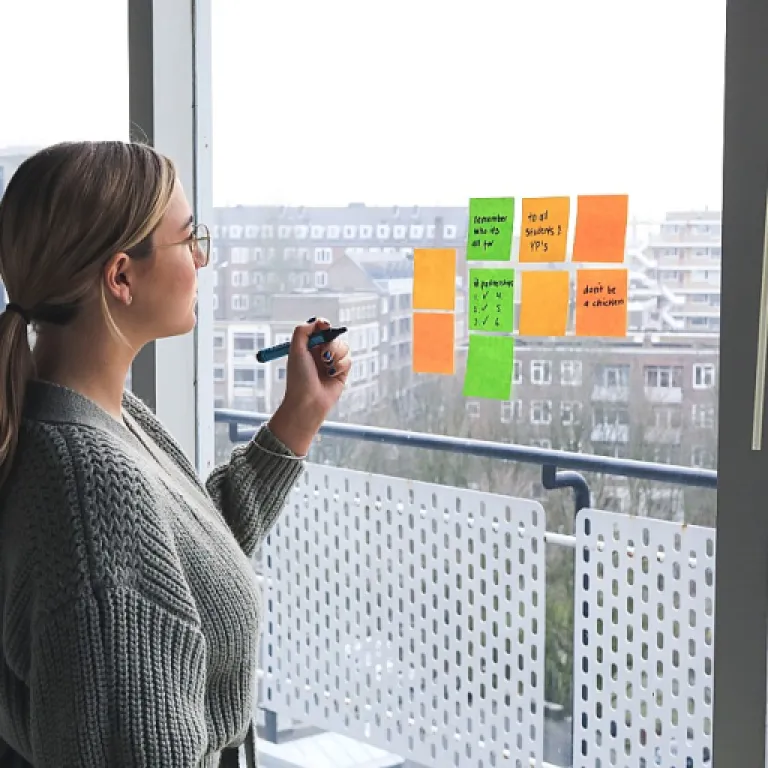
Why some personalities find criticism challenging
Why criticism can feel personal for some people
In every workplace, people react differently to feedback. For some, criticism is a valuable tool for growth. For others, it can feel like a personal attack, triggering anxiety or even avoidance. Understanding why certain personality types struggle with criticism is essential for HR professionals aiming to foster a constructive environment.
One key factor is how people interpret feedback. Individuals with avoidant personality traits, or those who experience social anxiety, may perceive criticism as a threat to their self-worth. This reaction is not simply about being sensitive; it often stems from deeper mental health concerns or personality disorders, such as avoidant personality disorder or social anxiety disorder. These conditions can make social situations, especially those that involve feedback, particularly challenging.
Some people take criticism very personally because they fear rejection or worry about not meeting expectations. This fear can be heightened in those with certain personality types, such as those identified by the Myers-Briggs framework as more introverted or sensitive. For these individuals, even constructive criticism can trigger feelings of inadequacy or anxiety, leading them to avoid social interactions at work or withdraw from team activities.
It's important to recognize that not everyone who struggles with criticism has a diagnosed disorder. Sometimes, past experiences or a lack of confidence can make feedback feel more intense. People who are naturally more cautious or who have experienced negative feedback in the past may take time to process criticism and may need extra support to feel comfortable in environments that value open feedback.
Understanding these dynamics is the first step in creating a workplace where all personality types can thrive. For HR professionals, recognizing the signs of criticism aversion and knowing how to help people feel safe during feedback sessions is crucial. This awareness also lays the foundation for building a culture that embraces feedback and supports mental health. For more on how team building activities can support HR transformation and help people feel more comfortable with feedback, explore this resource on team building activities in HR transformation.
Common personality types that resist feedback
Personality Types Most Sensitive to Criticism
Not everyone reacts to feedback in the same way. Some personality types and mental health disorders are more likely to struggle with criticism, especially in workplace environments that involve frequent evaluations or social situations. Understanding these differences can help HR professionals and managers tailor their approach to feedback and support employees more effectively.
- Avoidant Personality Type: People with avoidant personality traits often fear rejection and may avoid social situations where criticism is possible. This type tends to interpret constructive criticism as a personal attack, making it difficult for them to separate feedback from their sense of self-worth. According to the DSM-5, avoidant personality disorder is characterized by extreme sensitivity to negative evaluation and a strong desire to avoid situations that might lead to criticism or disapproval.
- Social Anxiety Disorder: Individuals with social anxiety disorder experience intense anxiety in situations that involve evaluation or judgment. Feedback sessions can trigger significant stress, causing them to feel overwhelmed or even withdraw from work-related interactions. This makes it challenging for them to process criticism constructively.
- Highly Sensitive Personality Types: Some people are naturally more sensitive to criticism, regardless of whether they have a diagnosed disorder. These individuals may take time to process feedback and can feel that criticism is a reflection of their personal value. Myers Briggs personality types such as INFP or ISFJ are often cited as more sensitive to criticism, as they tend to internalize negative feedback and may take it personally.
- Perfectionist Personality: Employees who set very high standards for themselves may struggle with criticism because it challenges their self-image. They might see feedback as a sign of failure rather than an opportunity for growth, which can lead to anxiety and avoidance behaviors.
It is important to recognize that criticism sensitivity can be influenced by both personality and mental health factors. People with personality disorders or anxiety disorders may need additional support to help them engage with feedback in a healthy way. Over time, understanding these personality types can help organizations create a more supportive environment and reduce the risk of criticism being perceived as a personal attack.
For more insights on how social frameworks can support HR transformation and address these challenges, you can read this practical guide on building a social framework in human resources transformation.
The impact of criticism sensitivity on HR transformation
How Criticism Sensitivity Shapes HR Transformation Efforts
When people with certain personality types or disorders, such as avoidant personality or social anxiety disorder, struggle with criticism, it can have a significant impact on human resources transformation. In workplaces where feedback is essential for growth, individuals who take criticism as a personal attack or feel threatened by constructive criticism may resist change, slow down team progress, or even avoid social situations that involve feedback altogether.
HR transformation initiatives often rely on open communication and adaptability. However, when sensitive criticism is not managed well, it can lead to:
- Reduced willingness to participate in new processes or technologies
- Increased anxiety and fear of rejection among team members
- Misunderstandings that stem from people taking feedback too personally
- Lower morale, especially for those with a personality type that will avoid feedback or feel overwhelmed by it
For example, people with avoidant personality disorder or social anxiety may avoid work situations that involve feedback, fearing judgment or negative evaluation. Over time, this can result in missed opportunities for personal and professional development. Teams may also experience friction if some members don’t feel safe to share or receive constructive criticism, which can undermine the goals of HR transformation.
It’s important for HR professionals to recognize that not all resistance to feedback is due to a lack of willingness to improve. Sometimes, it’s rooted in deeper mental health or personality disorders. Understanding these dynamics can help organizations create more inclusive and supportive environments, where feedback is seen as a tool for growth rather than a threat.
For organizations looking to build a culture that embraces feedback and supports all personality types, diversity, equity, inclusion, and accessibility (DEIA) training can play a crucial role. These programs help teams recognize and address the unique challenges faced by people who are sensitive to criticism, ultimately supporting more effective HR transformation.
Recognizing signs of criticism aversion in the workplace
How to Spot When Feedback Feels Like a Personal Attack
In any workplace, recognizing when someone is struggling with criticism is crucial for effective human resources transformation. Some people, especially those with certain personality types or disorders, may react to feedback in ways that are not immediately obvious. Understanding these signs can help managers and colleagues provide support and foster a healthier environment.- Emotional Responses: People who are sensitive to criticism may display visible discomfort, anxiety, or even anger when receiving feedback. They might take time to recover or appear withdrawn after a conversation that involves constructive criticism.
- Defensiveness: A common reaction is to justify actions or decisions rather than listen to the feedback. This defensiveness often signals that the person feels the criticism is a personal attack, not just a comment on their work.
- Avoidance Behaviors: Some individuals, particularly those with avoidant personality traits or social anxiety, may avoid social situations or meetings where feedback is expected. They might also delay tasks that involve evaluation or collaboration.
- Perfectionism and Overthinking: People with certain personality types, such as those identified by the Myers-Briggs framework, may obsess over minor feedback, fearing rejection or failure. This can lead to anxiety disorders or burnout over time.
- Reduced Participation: When feedback is perceived as criticism, some employees may stop contributing ideas or volunteering for projects. This withdrawal can impact team dynamics and overall performance.
Strategies for delivering constructive feedback
Approaching Feedback with Sensitivity and Clarity
Delivering constructive criticism in the workplace is never a one-size-fits-all process. People with certain personality types, especially those with avoidant personality traits or social anxiety, may feel that criticism is a personal attack. This sensitivity can be heightened for individuals with personality disorders or anxiety disorders, making feedback sessions more challenging for both the giver and receiver. To help people who take criticism personally or experience anxiety in social situations, consider these practical strategies:- Prepare and personalize: Take time to understand the person’s personality type. For example, those who identify with avoidant personality or have a tendency to avoid social situations may need a gentler approach. Avoid delivering feedback in public settings, as this can increase anxiety and the feeling of being singled out.
- Focus on behavior, not the person: Make it clear that the feedback is about work or specific actions, not about who they are. This helps reduce the risk that criticism will feel like a personal attack.
- Use clear and specific language: Vague feedback can lead to confusion and increased anxiety. Be direct, but compassionate, about what needs to change and why it matters for the team or organization.
- Balance constructive criticism with positive reinforcement: People who are sensitive to criticism often benefit from hearing what they are doing well. This balance can help them feel valued and less defensive.
- Allow time for processing: Some personality types, such as those described in the Myers Briggs framework, may need time to reflect on feedback. Don’t expect immediate responses or changes. Give them space to process and follow up later.
- Encourage open dialogue: Invite questions and clarify that the intention is to help, not to judge. This can help reduce fear of rejection and build trust over time.
Building a culture that embraces feedback
Encouraging Openness and Reducing Fear of Feedback
Creating a workplace where people feel comfortable with feedback takes time and intentional effort. Many personality types, especially those with traits of avoidant personality or social anxiety, may see criticism as a personal attack or even experience anxiety disorder symptoms in social situations that involve feedback. For these individuals, the fear of rejection or being misunderstood can make them avoid social interactions or constructive criticism altogether.
Practical Steps to Foster a Feedback-Friendly Environment
- Normalize Feedback: Make feedback a regular part of work, not just something that happens when things go wrong. This helps people, especially those sensitive to criticism, see it as a tool for growth rather than a sign of disorder or failure.
- Train Managers: Equip leaders to recognize when a person or personality type may take criticism personally. Training can help managers deliver feedback in a way that feels constructive, not like a personal attack.
- Promote Psychological Safety: Encourage open conversations about mental health and personality disorders. When people know their well-being is valued, they are less likely to avoid feedback or feel threatened by it.
- Use Clear, Specific Language: Avoid vague comments. Instead, focus on behaviors and outcomes, which helps all personality types, including those with avoidant tendencies, understand what is being discussed without feeling targeted.
- Allow Time to Process: Some people, especially those with social anxiety or avoidant personality, need time to process feedback. Give them space to reflect and respond, rather than expecting immediate reactions.
Supporting Diverse Personality Types
Recognizing that not everyone responds to feedback the same way is key. The Myers Briggs framework and research on personality disorders show that certain types are more likely to struggle with criticism. By acknowledging these differences, HR can help each person feel supported and understood, reducing the risk that feedback will be taken as a personal attack.
Continuous Improvement and Community
Building a feedback culture is an ongoing process. Encourage regular check-ins and create opportunities for people to share their experiences with feedback. Over time, this approach will help reduce sensitive criticism reactions and support those who might otherwise avoid social or work situations that involve feedback. A healthy feedback culture benefits everyone, improving both individual mental health and overall organizational performance.
